


Supervisors
Prof. Taufiq Asyhari (Monash Indonesia BSD Campus)
The project
Data-Driven Modelling for Grid-Integrated Renewable Energy Distribution: Demand Side Forecasting and Grid Optimization of Renewable energy plays a critical role in providing affordable and clean energy to support a movement towards climate change mitigation and sustainable development.
Integrating renewable energy into existing grids, particularly in urban areas, faces a significant multitude of challenges due to the intermittent nature of sources like solar, wind, and biomass, as well as the complexity and non-stationarity of electricity demand patterns. Accurate demand side forecasting and optimized grid operations are crucial to pave a way for reliable and clean energy distribution.
This research proposes a data-driven modelling framework to address the challenges of distributing electricity in the context of urban grid integrated renewable energy resources, with a focus on demand-side forecasting and grid optimization. The project leverages advanced computational techniques, including machine learning algorithms and probabilistic modelling, to develop accurate electricity demand forecasts. By analysing historical consumption data, weather patterns, and socio-economic indicators, the framework will generate high-resolution demand predictions tailored to urban energy systems.
These forecasts will serve as the foundation for optimizing grid operations, ensuring efficient distribution of renewable energy while maintaining stability and reliability. The technical building block of the project involves the design, development and simulation of a computational framework that integrates data-driven models with simulation programs. Machine learning algorithms, such as Long Short-Term Memory (LSTM) networks and Gradient Boosting, will be applied for demand forecasting, while probabilistic models will account for uncertainties in renewable energy generation.
The framework will also include optimization algorithms to simulate grid behaviour under various scenarios, enabling the identification of strategies to balance supply and demand, reducing energy waste, and enhancing grid resilience. The expected outcomes include a scalable and adaptable framework for urban energy systems, capable of providing immediate and accurate insights into electricity demand and grid performance.
Status
- In Progress
Research Partner
Student
Expected Start Date
November 2025
Expected End Date
May 2029
Project Code
1059
Related Projects

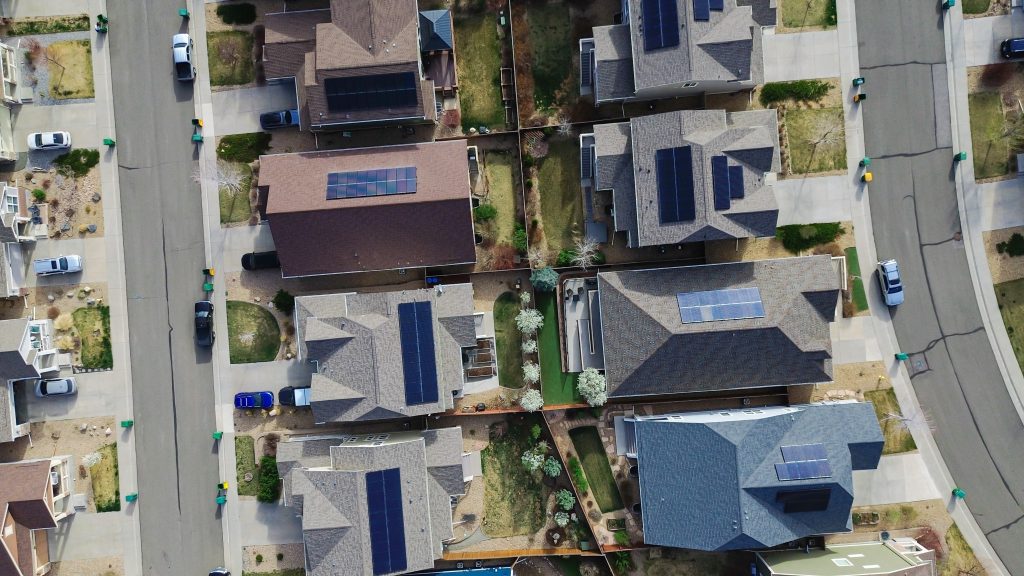
ASEAN rooftop solar opportunities for Australian partnership
Supervisors Peta Ashworth, Curtin University The project This research aims to develop a framework for decarbonising The Association of Southeast Asian Nations (ASEAN) electricity...
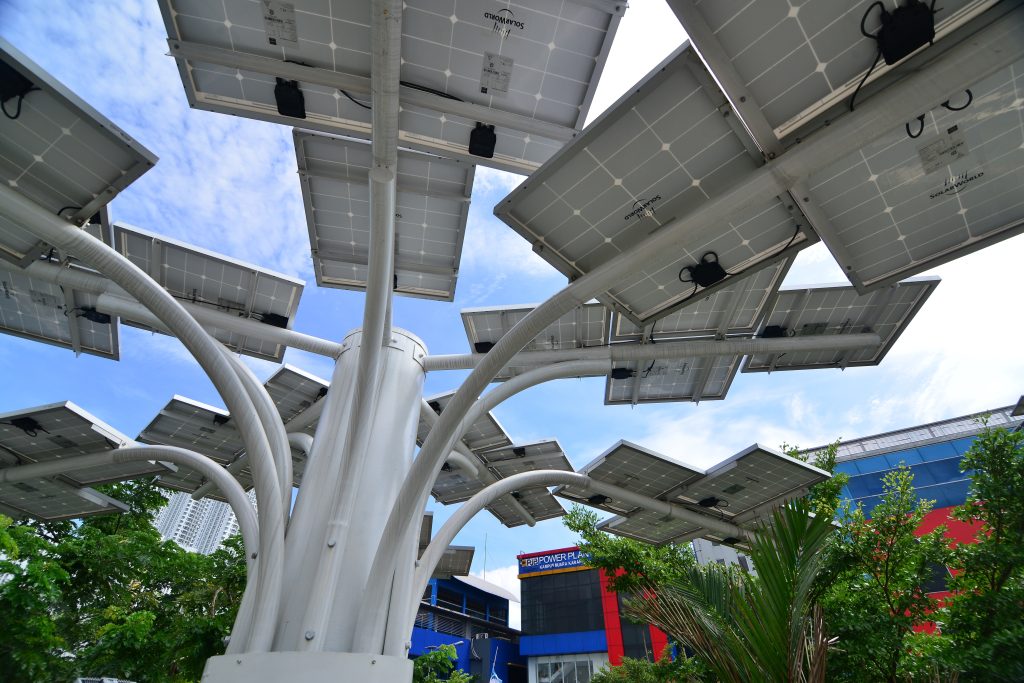
Battery energy storage system optimisation in Indonesia
Supervisors Dr Muhammad Erza Aminanto, Monash University Indonesia Prof Taufiq Asyhar, Monash University, The project This research proposes a Multi-Agent Deep Reinforcement Learning (MADRL)...
Toward NZE: Optimising renewable energy distribution in Indonesia’s hybrid grids using Agentic AI
Supervisors Dr Muhamad Risqi Utama Saputra, Monash University Indonesia A/Prof Markus Wagner, Monash University The project This research proposes an Agentic AI framework powered...
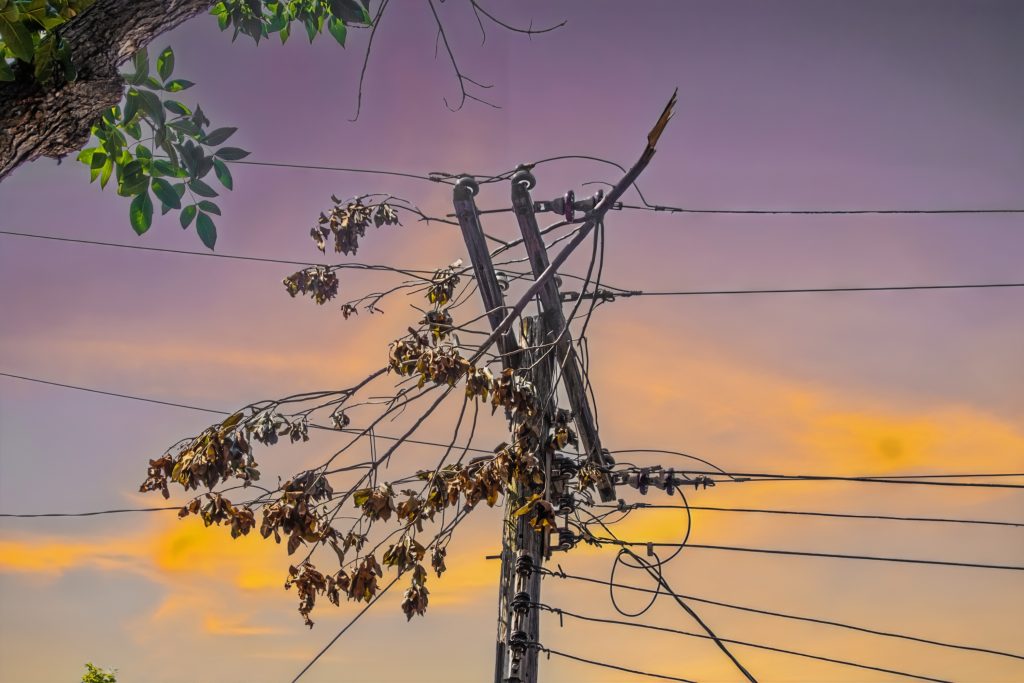
Edge intelligence for smart grid restoration and anomaly detection
Supervisors Dr Rizka Widyarini Purwanto, Monash University Indonesia Dr Mohammad Goudarzi, Monash University The project This project will design and field-test an hierarchical edge-intelligence...