
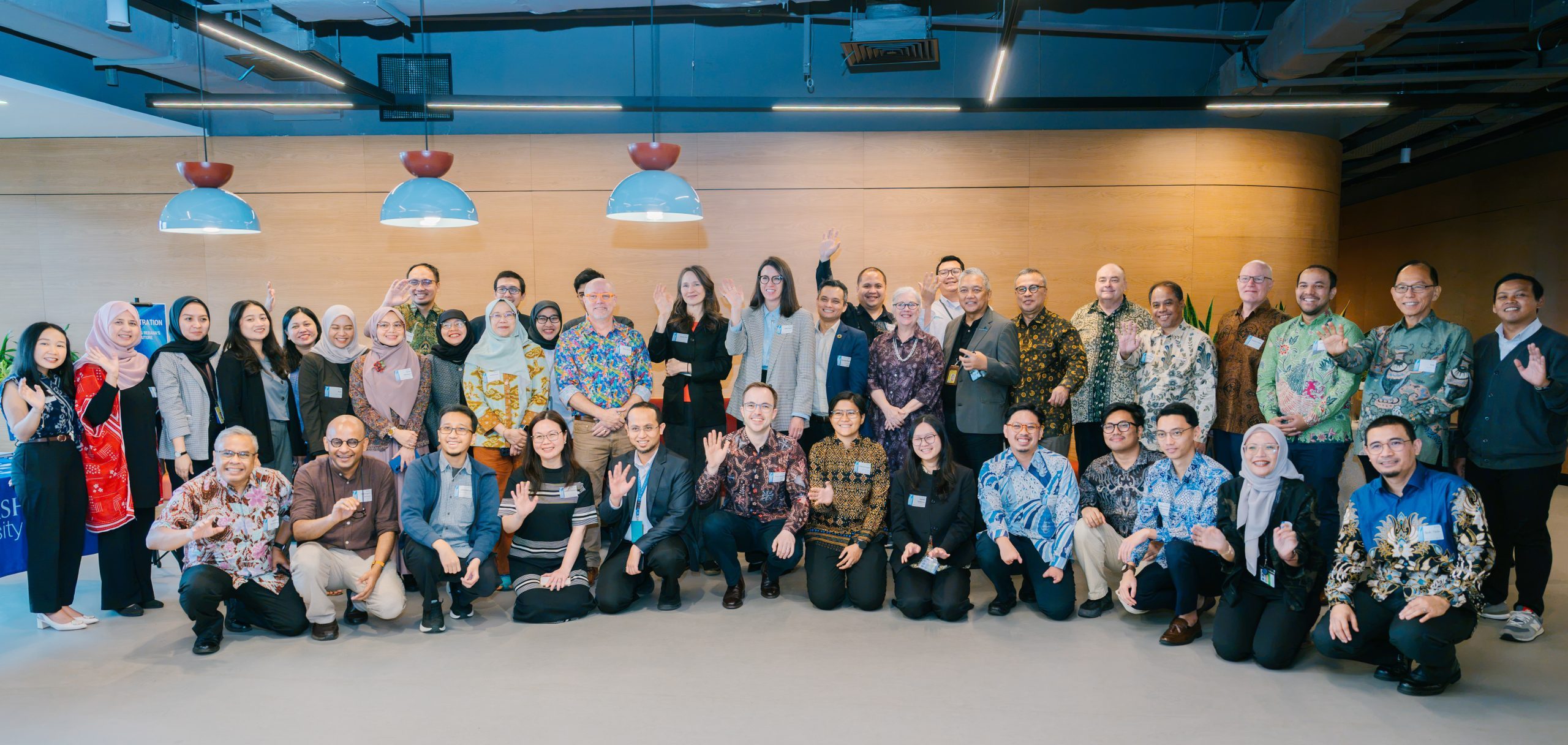
In August, RACE for 2030 Chief Research Officer Chris Kellett travelled to Indonesia to welcome the first nine scholars enrolled in the Ariel Liebman RACE for 2030 Monash University Indonesia PhD Program – a partnership between RACE for 2030, Monash University Indonesia, and PLN, Indonesia’s state electricity company.
All nine scholars are PLN employees. They will complete their doctorates with Monash University Indonesia and return to the utility, bringing their research and their training with them. Their topics span grid integration of renewables, distributed energy and storage management, network resilience, electric vehicle charging, household energy management and just transitions – many of the same questions RACE works on in Australia, in a very different system.
The program is named for the late Professor Ariel Liebman, Director of the Monash Energy Institute, who built the research ties between Monash and Indonesia’s energy sector that made it possible. It was launched in his honour in 2025.
Chris was also in Indonesia for a bilateral workshop on energy transition research in the Rebana Metropolitan Development Zone in West Java, alongside partners from Monash, CSIRO, PLN, the Bandung Institute of Technology (ITB) and the Australia-Indonesia Centre.
Speaking at the scholars’ welcome dinner, he opened with a comparison a CSIRO colleague had offered him days earlier: that Australia is a bit like Indonesia – an archipelago, except that Australia’s islands are surrounded by sand rather than sea. Remote communities with no grid to fall back on, expensive logistics, too few technical people. Same problem, different material in between.
The difference, he said, is scale. Australia’s islands number in the hundreds and hold a few thousand people; Indonesia’s number in the thousands and hold millions. Add to that some of the highest urban density in the world in Java, and the breadth of challenge is one that simply doesn’t exist elsewhere – which is why the answers will have to be worked out in Indonesia, and why the rest of us will benefit when they are.
He told the scholars they are not students who may one day work in energy: they already do. The most valuable thing they take back to PLN, he suggested, will not be the results of their individual projects but a different way of asking questions.
He closed by telling them that the work Ariel started now belongs to them – and that he could not wait to see what they create.
Find out more about the Ariel Liebman scholarship and our newest scholars.
Related News and Events
Sep 09 2026
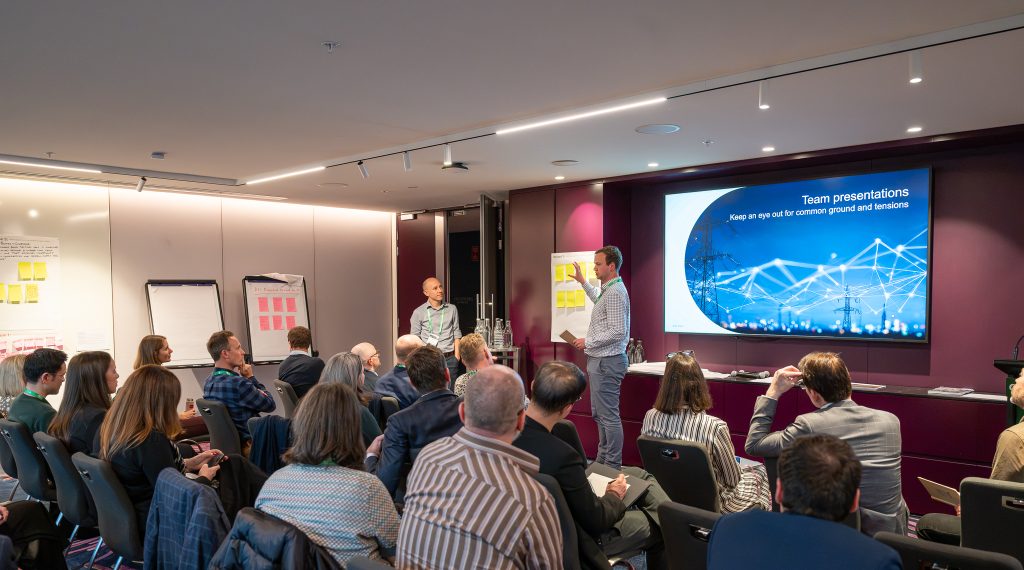
Consumer Grid Summit
Shared visions and actions for Australia’s future grid Right now the future grid visions of more than 40 senior and emerging Australian energy leaders...
Sep 09 2026
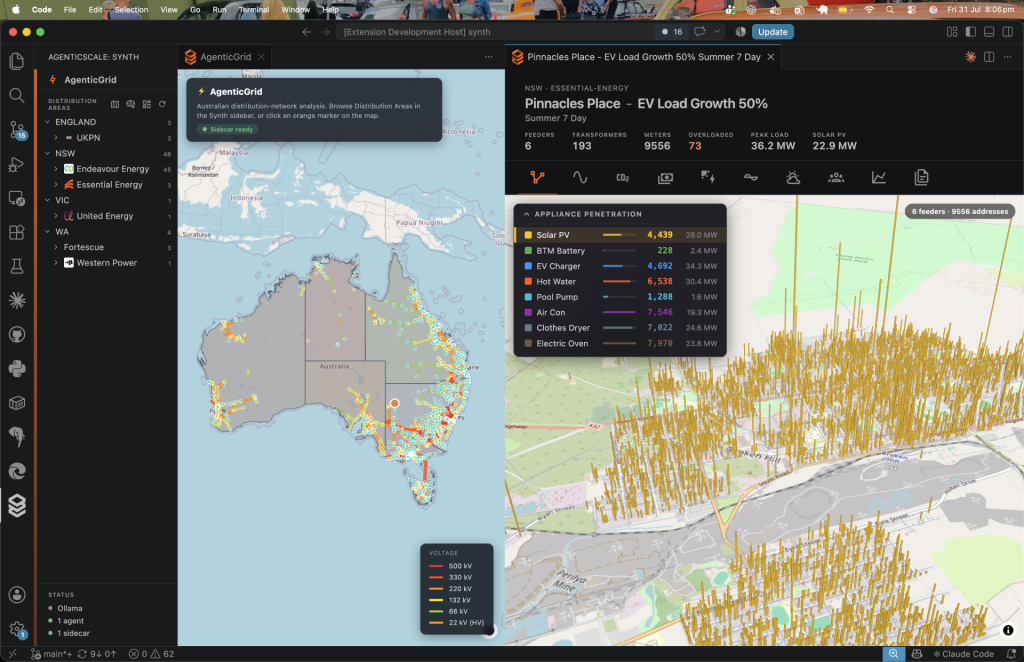
AI model helps network planners answer questions – fast
AgenticGrid is a new modelling platform for Australia’s electricity networks, built around AI agents rather than a conventional modelling tool with a chatbot added. ...
Jun 25 2026
Australian home energy upgrades initiatives database
The Australian home energy upgrades initiatives database will develop a national database of approximately 60 community and local government-led home energy upgrade initiatives across Australia, creating an openly accessible evidence base to support better...