
Chief investigator:
Kerryn Wilmot, UTS ISF
Kellie Caught, ACOSS
Purpose of project
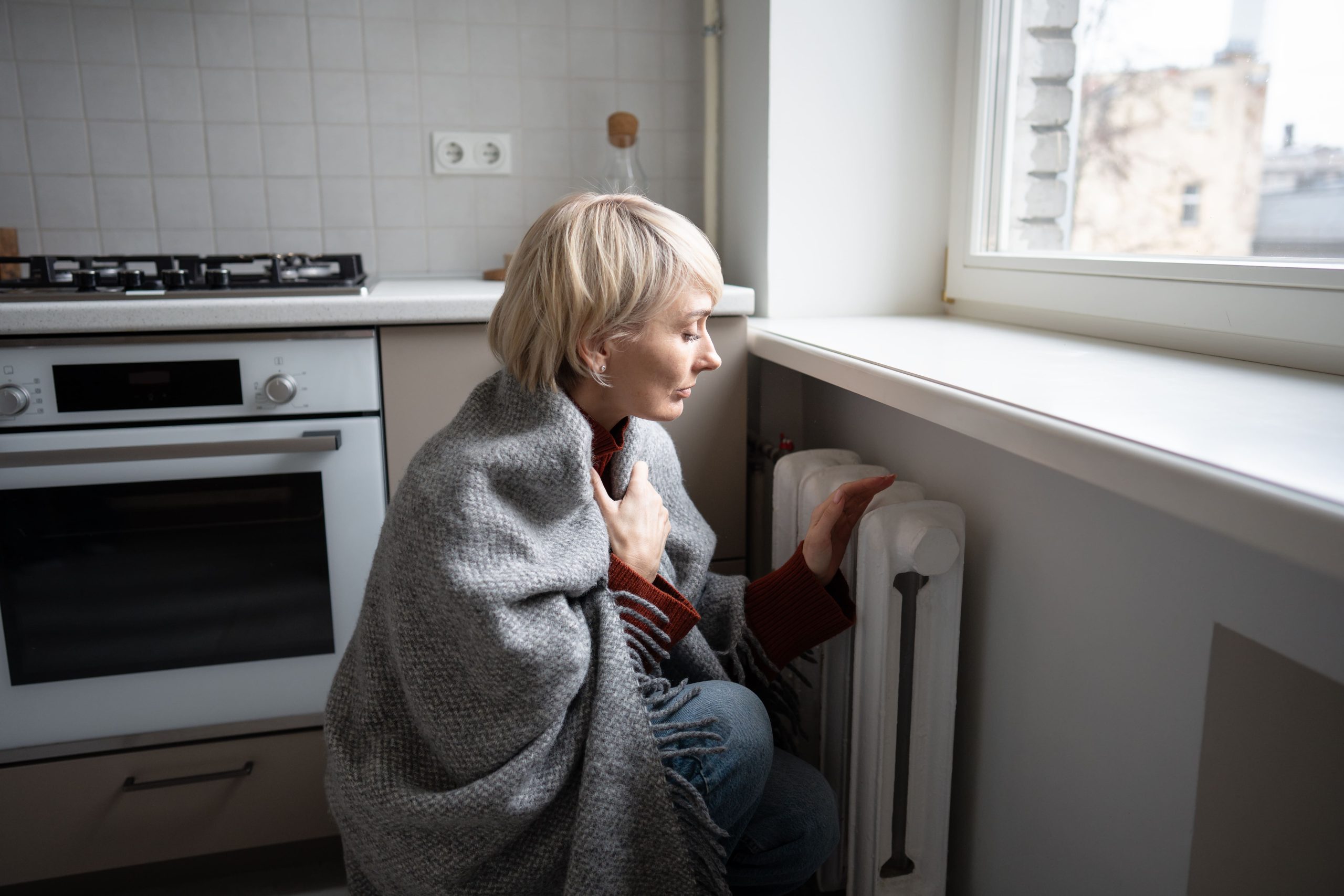
Poor and energy inefficient housing is associated with a wide range of health conditions such as respiratory diseases including asthma, cardiovascular diseases, injuries, mental health and infectious diseases.
As the effects of climate change increase, there will be more extreme weather events, which will disproportionately affect those living in energy inefficient homes. The energy efficiency of homes has thus, by default, become a social determinant of health.
This project will build on and scale up previous research into health and housing quality, collecting data nationally, across different climate zones, housing types, housing tenure, income levels and at risk cohorts, to build a more comprehensive profile of the health impacts for those living in energy inefficient housing, and quantify the potential health benefits to people and governments of home energy upgrades.
The findings will inform and strengthen existing policy recommendations and, where relevant develop new policy recommendations, to secure additional and substantial funding and support measures to accelerate and scale up home energy upgrades, prioritizing people at risk.
It will focus on housing as a public health intervention to improve health and wellbeing, of people, especially people on low-income’s or experiencing disadvantage. This research will strengthen the case for greater investment in home energy upgrades, building on the evidence of the other significant benefits they provide (ongoing energy bills savings, reduction in energy stress and hardship, and emissions reductions)
The ultimate goal is to generate new and persuasive evidence of the health and financial implications of poor energy performing housing in order to influence government policies and funding allocations. The health impacts, especially on vulnerable populations, is a new lever in Australia to generate greater government support for accelerating and better targeting housing energy efficiency upgrades and electrification and increasing decarbonisation in the residential sector.
Impact of project
- Accelerate investment in home energy upgrades, prioritising at risk households
- Energy bill savings for householders
- Reduce carbon emissions due to greater energy efficiency, electrification and added rooftop solar in the residential sector
- Improve health and wellbeing of householders
- Improve financial and health outcomes for people experiencing poverty and disadvantage
- Improve productivity
- Create new jobs and business opportunities
Workplan
The project will survey 10,000 people, asking about their health and the condition of their home. The survey will be developed using the Australian Housing Conditions Dataset (AHCD) survey as a starting point. The new survey will focus more strongly on health and housing conditions to streamline the survey. Questions will be added to the AHCD survey which relate to health and housing conditions.
The survey will be administered through a third-party service provider using their panels and aiming for national demographic and geographic representation from all climate zones, and as many housing tenure types as possible.
A light literature review will be used to set the context, summarising any information, papers and studies about the health impacts of extreme conditions, particularly about heat and conditions inside homes. The literature review will test that belief and collate evidence that health is impacted by temperature and humidity.
Following analysis of the survey results, the findings will be documented in a research report to be used to development of policy recommendations for ACOSS.
Project partners


Industry Reference Group members
Energy Consumers Australia, Energy Efficiency Council, ASBEC, ClimateWorks Centre, Sweltering Cities, Adelaide University, Australian Department of Climate Change, Energy Environment & Water, Victorian Council of Social Services
Status
- In Progress
Earlier research
- The Victorian Healthy Homes Program – Research findings
- Outcomes from the Victorian Healthy Homes Program: a randomised control trial of home energy upgrades - PMC
- Heat in homes
- Healthy Homes Monitoring and Evaluation project - final report
- Evaluation of Energy Systems Catapult’s Warm Home Prescription project
Completion Date
November 2026
Project Code
1025
Related Projects

Consumer testing of Property Linked Finance to enable housing decarbonisation
Cheif investigators Prof. Liam Smith, Monash University Scott Bocskay, Property Linked Finance Accelerator Purpose of project This project tests how Australian consumers understand and...
Australian home energy upgrades initiatives database
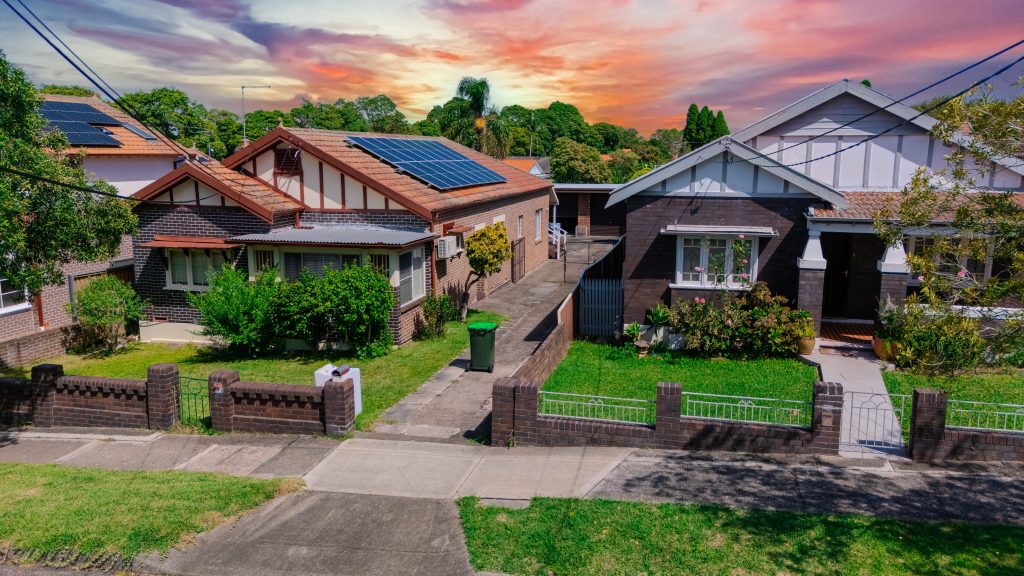
Chief investigator: Prof. Rob Raven (Monash University) Purpose of project Despite growing interest and policy support for residential energy efficiency, Australia lacks a comprehensive,...
Development and commercialisation of a novel domestic heat pump water heater (SolaTank)
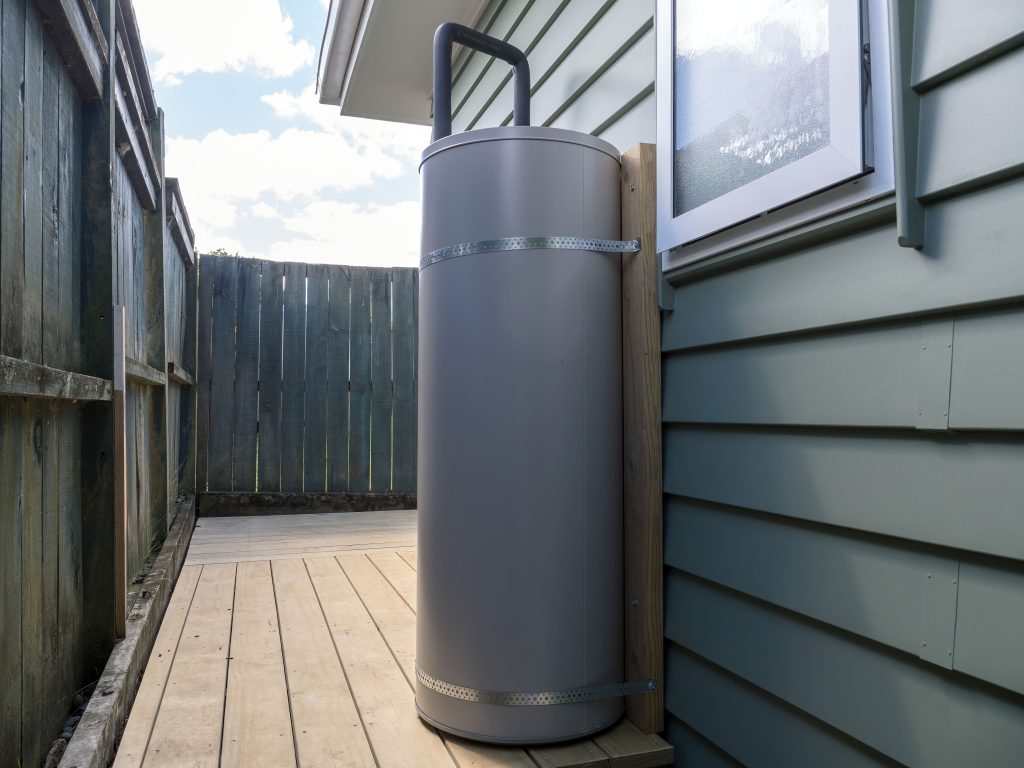
Chief Investigator: Prof. Frank Bruno, Adelaide University Garry Baverstock, Director, Wise Earth Solar Technologies Purpose of project Impact of project Project partners Adelaide University (lead),...
Scaling up Structural Insulated Panels (SIPs) manufacturing production for Australian residential dwellings
Chief Investigator: Andrea Trianni (University of Technology Sydney) Brian Chandler (Sipform) Purpose of project Impact of project Project partners