

ACT CER register
The “ACT CER Register” project proposes the creation of a pilot platform that provides continuously updated visibility of consumer energy resources such as rooftop solar, batteries, EVs, and flexible loads. The platform would aggregate and analyse smart-meter (NMI) data to validate the existence and operational capability of these assets.
Grid Summit (NEM 2030+ Transformed)
This project proposes to convene a structured, multi-stakeholder process to re-examine the long-term design of the National Electricity Market (NEM) through a “future-back” systems perspective. The work will combine desktop analysis, interviews with senior leaders, commissioned expert discussion papers, and a facilitated three-day strategic dialogue.
R4B industry roundtables (flex demand, electrification, bioenergy)
The project “Flexible Demand – Knowledge Sharing, Regulations and Research Roundtables” proposes to establish a structured roundtable series bringing together industry, policymakers, researchers and technology providers focused on flexible demand in the commercial and industrial (C&I) sector.
Whole of system cost impacts for resilience
This is in early development and is looking at understanding and assessing the whole of system costs, faced by the energy sector and its users, to respond to the increasing challenges of reliability and resilience in an increasingly volatile environment.
Impact of wind and extreme weather on electricity grid infrastructure
While climate change impacts are widely recognised, distribution networks still lack asset-level predictive tools linking future climate projections to network failure risk. The project seeks to bridge the gap between climate science datasets and operational network planning, enabling risk-informed asset management decisions over infrastructure lifetimes that typically exceed 50 years.
Price signals for data centres
This project is considering creating a virtual data centre and then linking that data centre capacity and speeds to network capacity. The project will examine the cost benefits of optimising for energy costs and flexibility savings.
Rural data centres technology trials
This project is seeking to pilot a temporary rural data centre located near emerging grid-scale DER and leverage that generation or storage asset during the testing period. This way they can explore the short- and long-term benefits of these emerging Renewable generation assets to optimise energy costs.
Data Centre Load and flexibility review
This project consists of a fast tracked consultation on Data Centre Load, demand and flexibility Forecasting, producing a detailed bottom-up forecast for NSW through to 2044/45 and a complementary research analysis from UTS Institute for Sustainable Futures examining the assumptions, knowledge gaps and structural uncertainties underpinning data centre demand forecasts.
Streaming big data analytics: Smart grid situational awareness project
This proposal, titled “Streaming Big Data Analytics: Smart Grid Situational Awareness Project,” aims to deploy high-precision grid sensors – micro-phasor measurement units (µPMUs) – across selected Australian networks and use them to develop new estimation and control techniques for distribution networks with high penetrations of renewable generation and CER.
Minimum datasets for CER/DER optimisation
The project seeks to determine the minimum viable datasets required for distribution networks to effectively plan for and operate with high levels of consumer energy resources (CER), including rooftop solar, batteries and electric vehicles.
Development and commercialisation of a novel domestic heat pump water heater
The project “Development and Commercialisation of a Novel Domestic Heat Pump Water Heater (SolaTank)” aims to develop and test a domestic hot water system that integrates a heat pump with an unpressurised thermoplastic storage tank. The SolaTank design departs from conventional pressurised steel tanks by using a low-cost thermoplastic vessel.
Gold Coast Marina precinct urban REZ
The Gold Coast Marina precinct is Australia’s largest marine industry cluster, hosting more than 250 marine businesses including boat builders, refit yards, naval architects, component manufacturers, and marine service providers. This is a unique urban REZ project seeking to address new challenges for electrification.
Puget industrial area urban REZ
The Puget industrial precinct is the largest mining services hub in the southern hemisphere providing heavy engineering, equipment sales and maintenance, fabrication, logistics, technology and services. This is a unique urban REZ project seeking to address new challenges for electrification. If you are interested, get in contact with RACE.
EV misinformation
The “ACT CER Register” project proposes the creation of a pilot platform that provides continuously updated visibility of consumer energy resources such as rooftop solar, batteries, EVs, and flexible loads. The platform would aggregate and analyse smart-meter (NMI) data to validate the existence and operational capability of these assets.
Advanced transformerless EV charging technology development and standards evolution – ARENA knowledge project
The project “Advanced Transformerless EV Charging Technology Development and Standards Evolution – ARENA Knowledge Project” is seeking to validate transformerless residential EV charging technology through technical testing, safety validation, standards engagement and a 50-site trial. Its purpose is to document whether a transformerless wallbox architecture can meet Australian safety.
V2G for all – Vehicle-to-Grid homologation – ARENA knowledge project
The Vehicle-to-Grid Homologation Project seeks to create a repeatable Australian homologation framework for V2G by testing vehicle-charger combinations across multiple automotive brands and EVSE manufacturers. If you are interested, please get in contact with the RACE team.
Charging as a service: Validating apartment EV charging
This program is seeking to validate a Charging as a Service model for strata buildings, using modular installations and optimised electrical infrastructure to reduce upfront costs for apartment EV charging. The research will analyse charging demand profiles, infrastructure diversity factors and dynamic pricing approaches to scale apartment charging.
Megawatts in motion
Megawatts in Motion seeks collaborate on Australia’s first large-scale heavy-vehicle Vehicle-to-Grid (V2G) demonstration. The initiative will aim to deploy approximately 80 bidirectional electric heavy vehicles across two bus depot sites and monitor their performance in real-world operations. If you are interested please get in contact with the RACE team.
EV council charging roadmap
The project “EV Council – Charging Roadmap Stage 1” will develop an evidence-based policy framework to guide the rollout of electric vehicle charging infrastructure across Australia. The research will analyse international charging deployment strategies, regulatory frameworks, funding models, and grid integration approaches, and translate these findings into policy recommendations.
Strategic research opportunities for EVs
This work explores two themes: Theme 1: evolution of Australia’s EV fleet and supporting policies. How Australia’s EV fleet is likely to evolve under different policy settings. Theme 2: understanding Australia’s EV Uptake and Charging Infrastructure Requirements. Granular requirements for charging infrastructure across public, kerbside, residential and destination charging contexts.
Taking the heat out of EV charging
The project “Taking the Heat Out of EV Charging” investigates whether existing distribution transformers can accommodate significantly higher EV fast-charging loads than currently assumed, without reducing transformer life. The work proposes instrumenting field transformers with advanced temperature monitoring probes to study their thermal response during short-duration, high-power EV charging cycles.
SEN transformer study
The Sen Transformer controls voltage, active power, and reactive power independently using transformer windings and tap changers with no power electronics in the main current path. Ampcontrol manufactured a 33 kV prototype for the NY Power Authority. This project asks whether it can increase hosting capacity on CER-dense distribution feeders.
Power System Strength
The NSW Decarbonisation Innovation Hub is examining how Australia’s future power system will maintain system strength and stability as synchronous generation is replaced by inverter-based resources (IBR) such as wind, solar and batteries. To join the community of practice and get involved, talk to RACE.
2035+ Flexible Grid
Aims to develop a whole-system architectural framework for the electricity grid of 2035 and beyond. The work integrates technical scenarios involving distributed batteries, grid-forming inverters, dynamic operating envelopes and large-scale demand response to explore how these capabilities interact within a coherent cyber-physical system architecture.
Communities of practice
Race for 2030 is collaborating with the Institute of Sustainable Futures and the Alliance for energy productivity to form communities of practice. These will focus on building awareness and capability within targeted sectors, on how electrification, energy flexibility and flexible pricing combine to drive down the cost of energy.
Sharing CER across contiguous lots
The project will design and test lawful mechanisms for cross-NMI energy sharing, such as physical transfers, virtual netting, or financial settlement constructs that replicate sharing within existing market frameworks. Using real farm data and a staged field trial, the research will assess regulatory feasibility, economic impacts, and network effects.
Voluntary Orchestration – EnergyFlexer
The EnergyFlexer Program is a community-scale initiative designed to help electricity networks unlock flexible demand from households without relying on direct device control or complex market mechanisms. Delivered within a defined network area, the program uses AMI data to measure the impacts of behavioural nudges and guidance, and community engagement.
Buying groups
Race for 2030 is collaborating with the Business Renewables Centre on a multi-year program of work, designed to evolve and enhance the traditional group PPA buying model. This work will see integrated energy management innovations including electrification, energy flexibility, flexible pricing and time matching integrated into a renewable’s procurement solution.

Managing EV load impact with flexible limits
Chief Investigator Prof. Reza Razzaghi (Monash University) Purpose of project This project aims to explore the integration challenges of electric vehicles (EVs) into Australia’s…

Accelerating EV adoption through commercial radio
Chief Investigators Prof. Elizabeth Lester (Monash) Purpose of project This project investigates commercial radio, including online audio, as a medium to accelerate EV adoption…
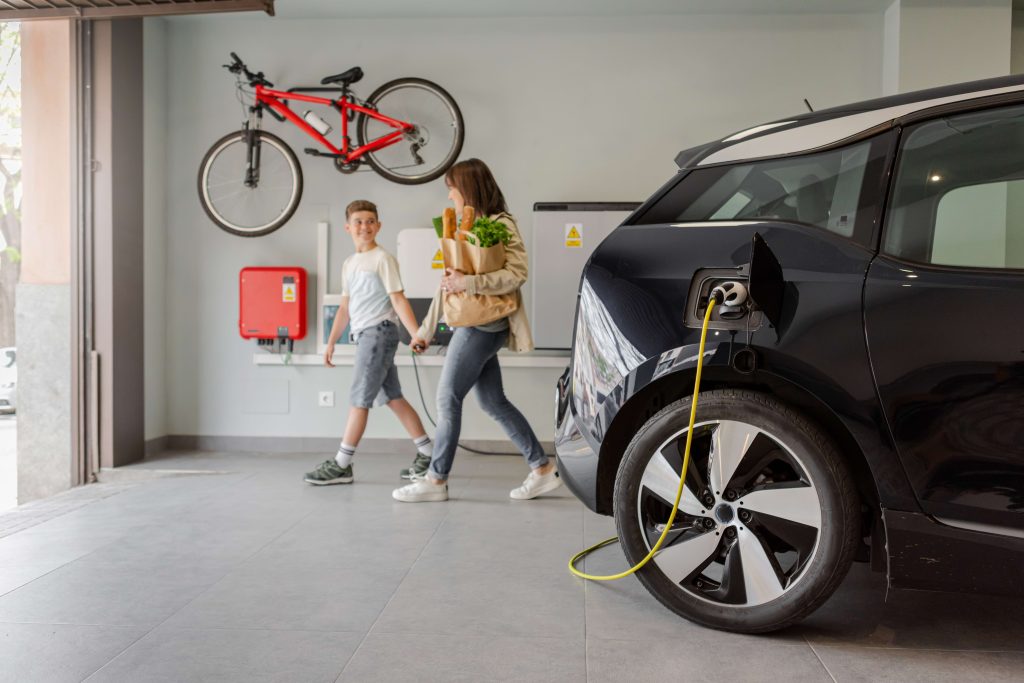
Australian consumers at the heart of the EV transition
Chief Investigators Prof. Ross Gordon (UTS) Purpose of project This project aims to explore the issues and challenges that will face all Australian consumers during…
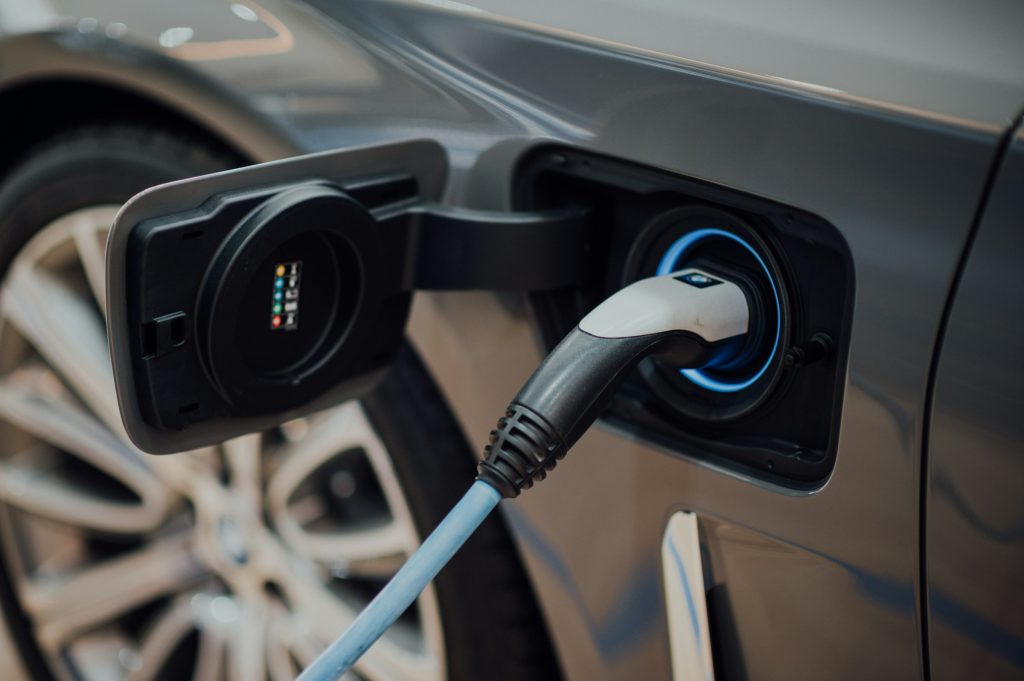
National roadmap for bidirectional EV charging in Australia
Chief Investigators Jon Sibley (enX) Purpose of project The National Roadmap for Bidirectional EV Charging was commissioned by RACE for 2030 in partnership with the…
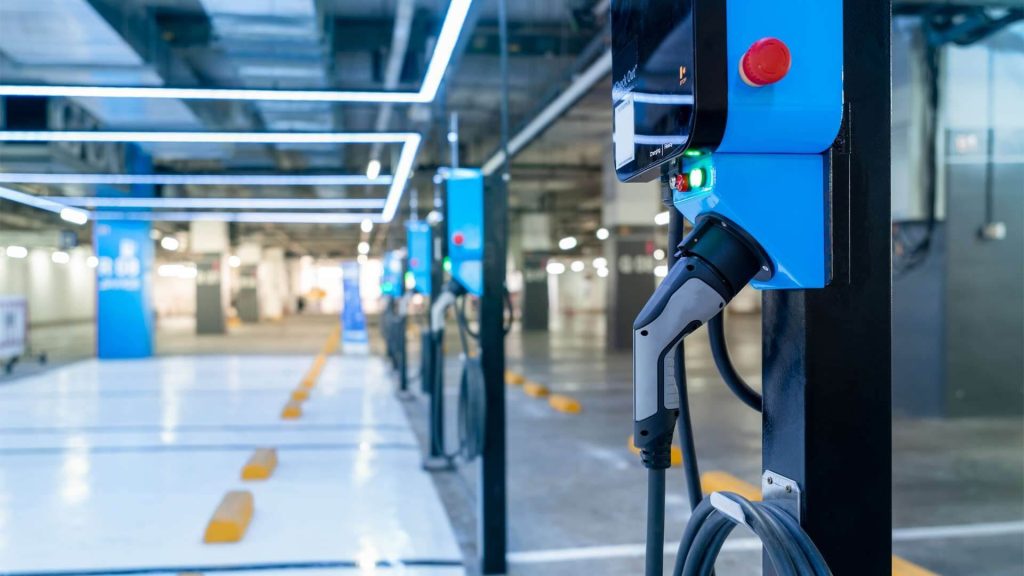
Strategic Electric Vehicle Integration (SEVI)
Chief Investigators A/Prof. Charlie Hargroves (Curtin University) Dr Scott Dwyer (UTS) Purpose of project The Strategic EV Integration (SEVI) project is a three-year, industry-led research…

My V2X EV: Informing strategic EV integration
Chief Investigators A/Prof. Mahdi Jalili (RMIT) Purpose of project Electric vehicle (EV) adoption is growing worldwide with increasing market pull from consumers and market push…

Electrifying the Cold Chain – Phase 2
Chief Investigators Prof. Frank Bruno (Adelaide University) Purpose of project The cold chain is a low temperature-controlled supply chain to prolong shelf life and…