
Chief investigators
Dr. Jin Woo (RMIT)
Nikki Buckett (Knauf Insulation)
Purpose of project
Australians are investing in energy efficiency retrofits, yet most performance outcomes remain modelled rather than directly measured. Without real-world performance data, stakeholders lack the evidence, confidence and accountability needed to scale retrofit programs effectively. European experience demonstrates that removing and reinstalling poorly installed insulation under quality assurance can deliver average space‑heating energy reductions of around 51% – savings that would remain unverified without empirical measurement.
This pilot introduces advanced European measurement technologies to Australia to assess their applicability for local housing and climate conditions. Using Knauf Smart Meter Enabled Thermal Efficiency Ratings (SMETER) methodology, thermal performance of 10 Canberra homes will be measured before and after insulation retrofits.
By shifting from modelled expectations to measured outcomes, the project will generate reliable evidence of actual performance improvements, adapt measurement methods for Australian construction, develop a practical quality assurance framework, and quantify energy, carbon and cost impacts.
Ultimately, the project aims to build consumer trust, improve installation quality, inform policy and create a pathway for large-scale adoption of measured-performance retrofits.
Impact of the project
This project will demonstrate the applicability and effectiveness of advanced measurement technologies for Australian homes, providing a foundation for their adoption in the local context. By verifying their feasibility, the research will enable the development of policies and business models that incorporate real-world measurement, such as pay-for-performance mechanisms, and which link funding, subsidies and incentives to verified energy savings.
The adoption of measurement technologies will foster greater confidence in insulation retrofits among stakeholders, such as policymakers, homeowners, and finance providers. This confidence will drive the creation of new business models for insulation retrofit providers, allowing them to leverage verified savings as part of their value propositions. With incentives tied to performance and visibility of actual savings, these providers will be motivated to deliver higher-quality installations, ensuring retrofits achieve their intended outcomes.
As a result, every measured installation will deliver better energy savings, improved comfort, and greater value for homeowners. This will also lead to increased adoption of retrofits, as stakeholders trust the measurable benefits. Furthermore, the improved performance of retrofits will contribute to greater actual operational carbon reductions, contributing to Australia’s energy efficiency and climate targets.
By addressing key barriers to retrofit adoption and performance, this project will create a pathway to better outcomes for homeowners, the insulation retrofit industry and the environment, whilst fostering innovation and increased accountability across the energy efficiency sector.
Work plan
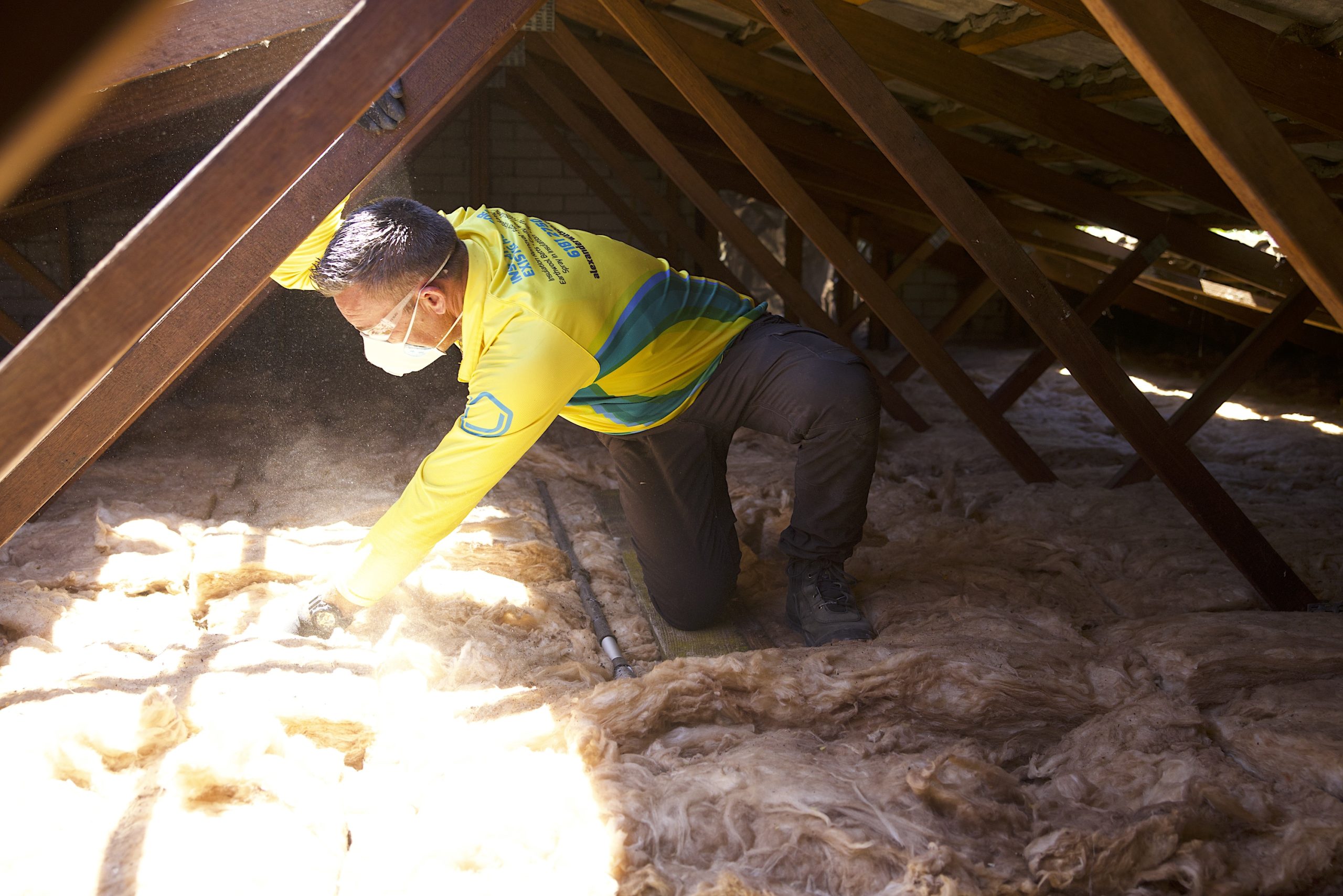
- Installation of Measurement Sensors: Deployment of advanced measurement sensors in the selected 10 Canberra homes to capture baseline performance data and Heat Transfer Coefficient (HTC) calculation.
- Baseline Measurements: Measure the current energy performance of each home over a 32-day period, allowing the technology to learn and establish a detailed understanding of how each home is performing.
- Energy Efficiency Retrofits: I
installation of ceiling insulation in the selected homes. - Post-Retrofit Measurement: Continue measuring home performance after the retrofit to assess the impact of the upgrades and validate the effectiveness of the measurement technologies.
- Data Analysis: Analyse pre- and post-retrofit data to quantify energy savings, compare with the results obtained from existing energy assessment methods, and assess the performance gap between predicted and actual outcomes.
- Cross-referencing Outputs: Evaluate the consistency and reliability of the measurement technologies in capturing real-world energy performance and savings. Data from measurement sensors and an Australian home energy efficiency rating (e.g., NatHERS for existing homes or Residential Efficiency Scorecard) will be analysed to assess the applicability of the European measurement technology in the Australian regulatory and performance context.
- Sharing of Data: Share anonymised data and findings with stakeholders, including policymakers, retrofit providers, and finance providers, to inform decision-making and encourage adoption of the methodology, in order to enhance certainty of performance when installing insulation in Australian homes.
Project partners


Status
- In Progress
Enquiries
Earlier research
- Comprehensive energy efficiency retrofits to existing Victorian houses
- Enhancing home thermal efficiency. Final report of Opportunity Assessment for research theme H2
- Building energy performance gap issues - An international review, international partnership for energy efficiency cooperation
- A review of the energy performance gap between predicted and actual use in buildings
- Building energy performance assessment using an easily deployable sensor kit: process, risks, and lessons learned. Frontiers in built environment, Vol.6
- International Energy Agency, Annex 94 Energy in buildings and communities programmes (EBC), Fact sheet validation and verification of in-situ building energy performance measurement techniques
Project Code
1016
Related Projects

Consumer testing of Property Linked Finance to enable housing decarbonisation
Cheif investigators Prof. Liam Smith, Monash University Scott Bocskay, Property Linked Finance Accelerator Purpose of project This project tests how Australian consumers understand and...
Health impacts analysis for accelerating home energy upgrades of low-income housing
Chief investigator: Kerryn Wilmot, UTS ISFKellie Caught, ACOSS Purpose of project Poor and energy inefficient housing is associated with a wide range of health...
Australian home energy upgrades initiatives database
Chief investigator: Prof. Rob Raven (Monash University) Purpose of project Despite growing interest and policy support for residential energy efficiency, Australia lacks a comprehensive,...
Development and commercialisation of a novel domestic heat pump water heater (SolaTank)
Chief Investigator: Prof. Frank Bruno, Adelaide University Garry Baverstock, Director, Wise Earth Solar Technologies Purpose of project Impact of project Project partners Adelaide University (lead),...